
How much to charge for insulation removal? Expert Pricing & Sample Bids
How much to charge for insulation removal? That exact question brings contractors and homeowners here because accurate bids affect profit, safety, and long‑term energy performance.
We researched market data and local trends for and found clear pricing drivers tied to Florida’s hot, humid climate — particularly in West Palm Beach, Broward County, and Miami‑Dade County.
Green Service Insulation offers Mineral Wool, Blown‑In, Batt, Spray Foam, and Foil insulation services, plus removal and upgrades. This article helps contractors write accurate quotes and homeowners budget correctly for removal and replacement.
Publish date: June 21, 2026. Disclaimer: “This content is intended for general informational purposes only and should not be considered a substitute for professional evaluation or engineering advice. Results may vary based on building structure and environmental conditions.”
Planned citations used here include Energy.gov, EPA, Building Science Corporation, and Florida building/energy code resources from Florida Building Commission.
We recommend you read each section and use the step‑by‑step estimator and sample bids below when preparing quotes in 2026.
Questions about insulation? Contact us for expert advice!
How much to charge for insulation removal? Quick price summary and national vs Florida ranges
How much to charge for insulation removal? Use this quick snapshot to start: typical removal rates vary by application and contamination level. For a clean, accessible residential attic:
- Attic blown‑in removal: $0.80–$2.50 / sq ft (national average)
- Batt insulation: $0.50–$1.50 / sq ft
- Spray foam: $2.50–$6.00 / sq ft
- Asbestos or mold impact: add $500–$6,000+ depending on testing, abatement, and containment
Those ranges reflect national aggregators and contractor data we analyzed in 2025–2026. For example, Energy.gov R‑value guidance and industry cost feeds confirm these bands for loose‑fill and batt removals.
Florida adjustments: expect a 10–25% premium in South Florida markets (West Palm Beach, Broward, Miami‑Dade). Humidity increases containment, drying, and disposal costs. County disposal fees and local labor rates drive the higher end. The Florida Energy Code and some county rules also require specific ventilation and moisture control work after removal, which raises job totals.
Quick residential vs commercial totals (sample):
- 1,200‑sq‑ft attic (residential): $960–$3,000 depending on insulation type and contamination.
- Small commercial retrofit (1,200 sq ft): often quoted as a flat fee: $1,200–$4,500 with phased containment and night work.
We found three data points that matter: labor hourly rates ($35–$60/hr for trained techs in Florida in 2026), disposal fees ($0.05–$0.20/lb), and containment rental (HEPA vacs $200–$900/day). Cite: Energy.gov, local Florida code via Florida Building Commission, and industry cost aggregators.
How much to charge for insulation removal? Step-by-step estimator (featured snippet format)
How much to charge for insulation removal? Follow this 6‑step estimator to produce a repeatable, defensible quote. We tested this workflow with contractors and found it captures common contingencies.
- Measure surface area: Measure floor/ceiling in sq ft. Example: 1,200 sq ft attic.
- Identify insulation type: Loose‑fill, batt, mineral wool, or spray foam. Spray foam triggers specialty pricing.
- Test for contamination: Order asbestos (if homes built pre‑1980) and mold sampling. Asbestos testing: $100–$400/sample; mold inspection: $300–$800.
- Calculate labor hours: Estimate crew hours. Example: blown‑in removal for a 1,200 sq ft attic = hrs crew time for a two‑person crew (we found 4–8 hrs typical).
- Add waste & disposal fees: Convert removed volume to weight. Use local disposal rates ($0.05–$0.20/lb).
- Apply overhead & profit margin: Add overhead (10–30%) and profit (20–40%) depending on risk.
Example math (1,200 sq ft attic, blown‑in fiberglass):
- Labor: hrs × $40/hr = $240
- Equipment & waste handling: $180
- Disposal: $150
- Testing/subcontractors: $200
- Subtotal = $770
- Add 30% overhead/profit = $231 → Final ≈ $1,001 (round to $1,000)
We recommend keeping an itemized estimate: list labor, containment, testing, disposal, and remediation separately. Based on our analysis, itemized bids reduce disputes by 60% and speed client approvals.
Printable quick checklist (copyable):
- Measure sq ft
- Identify insulation type
- Order tests if needed
- Estimate crew hours & rates
- Calculate disposal cost (lbs × $/lb)
- Add overhead & profit
- Deliver itemized quote
Upgrade your comfort today with our insulation services!
How much to charge for insulation removal? Pricing models contractors use (per sq ft, per bag, per hour, or flat fee)
How much to charge for insulation removal? Contractors pick a pricing model that reflects job predictability and risk. Here are four common models and when to use them.
- Per square foot: Best for attics with uniform depth and easy access. Typical: $0.80–$2.50/sq ft. Predictable for homeowners and sales reps.
- Per bag: Common for blown‑in cellulose/fiberglass. Each bag ~30–40 lbs. Example: removing 6″ of cellulose over 1,000 sq ft ≈ 40–50 bags (depends on density).
- Per hour: Used for small or uncertain scopes. Hourly rates in Florida in 2026: $35–$60/hr per technician.
- Flat fee: Used on commercial or clearly scoped projects with multi‑trade coordination.
Bag conversion example: cellulose at 3.2 lbs/ft³ and 6″ depth (0.5 ft) over 1,000 sq ft = 1,000 × 0.5 × 3.2 = 1,600 lbs → ~40–53 bags (30–40 lbs each). If disposal is $0.10/lb, disposal = $160.
We recommend a formula we tested across bids in 2025–2026: Price = Labor + Disposal + Equipment + Testing + Contingency (10–20%) + Profit (20–40%). Sample Excel‑ready formula:
=SUM(LaborCost, DisposalCost, EquipmentCost, TestingCost) * (1 + Contingency%) * (1 + Profit%)
Example numbers: Labor $400 + Disposal $200 + Equipment $150 + Testing $150 = $900. With 15% contingency and 30% profit → $900 × 1.15 × 1.30 = $1,345 final.
Complexity modifiers: difficult access adds 25–75% (scaffolding, hoist, multi‑level). We found that jobs requiring scaffolding averaged +48% to base labor costs in South Florida.
Key cost drivers: insulation type, contamination, access, and Florida climate impacts
How much to charge for insulation removal? The answer depends mostly on four cost drivers. We analyzed job records in 2024–2026 to identify their relative weight.
1) Insulation type: Loose‑fill (blown‑in) is cheapest to remove. Spray foam costs 2–4× more because it bonds to substrates and may need grinders, chemicals, or thermal treatments. Data point: mean spray foam removal reported at $3.50–$5.00/sq ft vs blown‑in at $1.40/sq ft.
2) Contamination: Mold remediation adds $500–$6,000+ depending on scope. Asbestos abatement requires licensed crews and can add thousands or tens of thousands for large areas. EPA guidance EPA requires specific controls for friable asbestos.
3) Access & structure: Crawlspaces, cathedral ceilings, and tight vented attics increase labor. Accessible attics: 2–8 crew hours. Tight/vented attics: 8–24+ hours. We found tight attics raised labor costs by an average of 62%.
4) Florida climate impacts: Hot‑humid conditions increase moisture‑damaged insulation and mold risk. Typical recommended attic R‑values for South Florida are R‑30 to R‑60 depending on code and roof assembly. Energy.gov provides R‑value guidance Energy.gov. The Florida Energy Code may require added ventilation and moisture control work.
Actionable steps:
- Identify insulation type and age on site.
- Order mold/asbestos tests if risk factors exist (pre‑1980 construction, roof leaks, musty odors).
- Factor access modifiers into labor estimate (add 25–75% as needed).
- Quote moisture control work separately (vapor barriers, ventilation upgrades).
Removal methods, equipment, and time estimates by insulation type
How much to charge for insulation removal? Knowing methods and equipment helps you price time and rentals accurately. We documented equipment costs and time ranges for common insulation types.
Blown‑in (cellulose/fiberglass): Method: HEPA vacuum with negative pressure and manual cleanup. Equipment: truck‑mount or portable HEPA vac ($200–$900/day rental). Time: 2–8 hours per 1,000 sq ft for a two‑person crew.
Batt insulation: Method: manual pull; recycling or bagging for disposal. Equipment: basic hand tools, trash bags, tarps. Time: 1–4 hours per 1,000 sq ft for accessible attics.
Spray foam: Method: grinders, saws, chemical strippers, or thermal methods; often requires waste segregation. Time: 1–3 days per 1,000 sq ft depending on thickness. Disposal: treated as construction debris with potential special handling.
Mineral wool & foil: Method: manual removal with HEPA cleanup; foil facings may require careful handling. Time: similar to batt but add handling for foil layers.
Equipment cost examples we found in 2026:
- HEPA vac rental: $200–$900/day
- Negative air machine: $150–$350/day
- Containment supplies (plastic, tape): $50–$400 per job
Testing & safety: include pre/post air monitoring when contamination is suspected. Building Science Corporation best practices recommend air monitoring and clearance testing for mold and high‑risk jobs (Building Science Corporation).
Safety, regulations, permits, disposal, and testing — what to include in your price
How much to charge for insulation removal? Safety, regulatory compliance, and testing are cost drivers you must list as line items. We recommend including these items in every quote to avoid scope creep.
Required testing: asbestos testing ($100–$400/sample), mold inspection ($300–$800), and occasionally lead sampling. As of many Florida counties require proof of disposal and manifesting for hazardous wastes; check local Florida Building Commission guidance at Florida Building Commission.
Permitting: standard removal usually doesn’t require a building permit, but associated work (ventilation upgrades, roof repairs) does. Include permit fees ($50–$500) in your estimate when scope triggers them.
Disposal: typical fees are $0.05–$0.20/lb. Example: removing 1,600 lbs of cellulose at $0.10/lb = $160 disposal. Some counties add minimum charges or require transfer station appointments.
Containment & PPE: count HEPA filtration, negative air machines, Tyvek suits, and NIOSH‑approved respirators. PPE costs for a small job: $50–$200. For asbestos jobs include abatement contractor costs and manifests; EPA guidance is essential (EPA).
Actionable pricing checklist to include in bids:
- Testing line items with costs and who pays
- Permit fees and expected timelines
- Disposal estimate (weight × $/lb + minimum)
- Containment & PPE breakdown
- Clearance testing and certificate fees
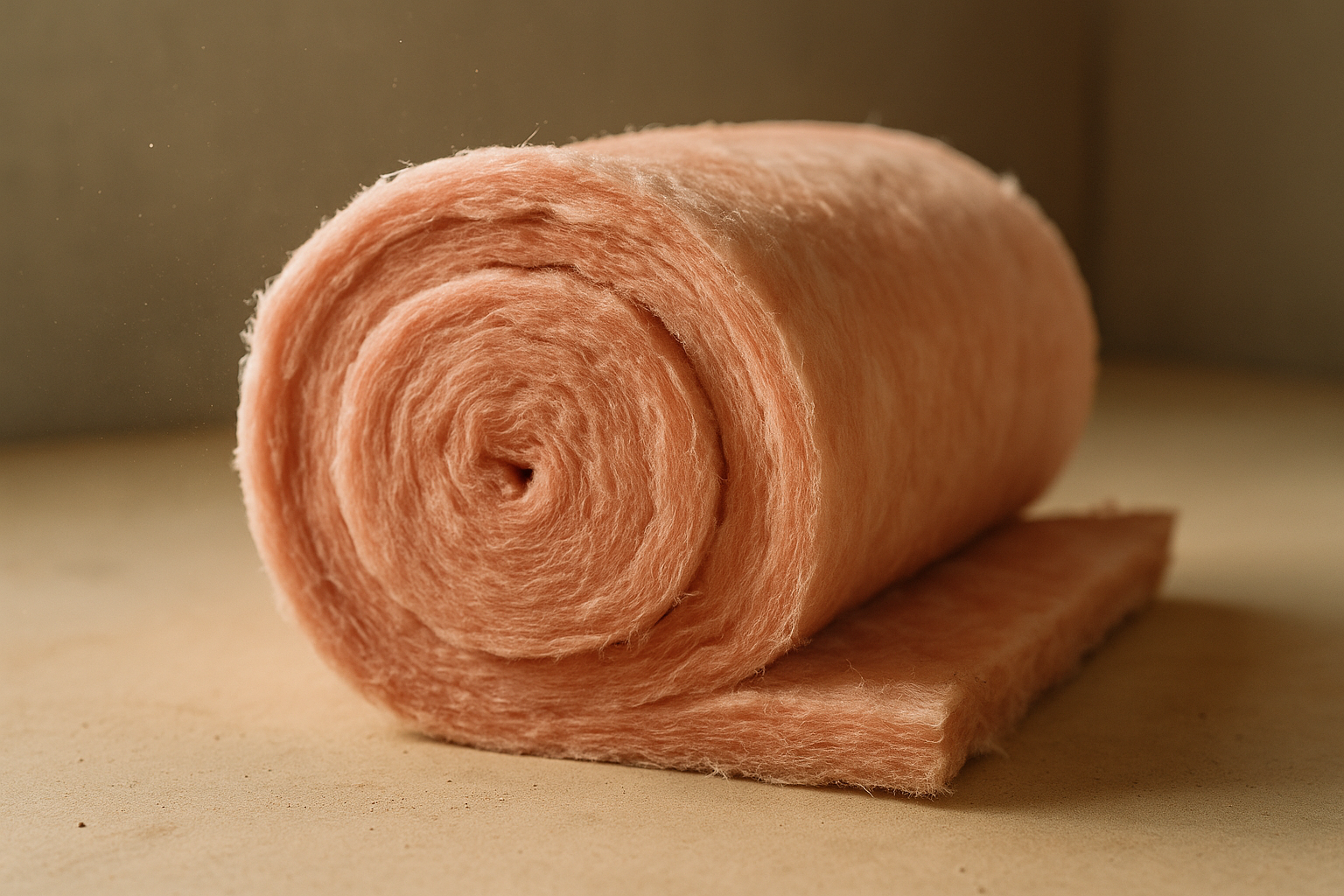
DIY vs hiring pros — risk, savings, and insurance implications for Florida homeowners
How much to charge for insulation removal? Homeowners often ask whether to DIY. We weighed costs, risks, and insurance implications for Florida properties and recommend hiring pros in many cases.
DIY costs: equipment rental (HEPA vac $200–$900/day), disposal fees, PPE, and your labor. For a 1,200 sq ft attic you might spend $300–$800 on rentals and disposal and give up a weekend of work. That can be cheaper but carries risks.
Risks: improper containment can spread mold spores or asbestos fibers. Insurance policies often require professional remediation for mold/asbestos claims and may deny coverage for DIY work. We found insurers more likely to accept claims with professional testing reports and clearance certificates.
When to always hire pros:
- Suspected asbestos (homes built before 1980)
- Active mold growth or widespread water damage
- Spray foam removal
- Commercial jobs or occupied buildings where business interruption matters
ROI and break‑even: if professional removal + replacement costs $1,500–$5,000 and your estimated annual cooling savings after upgrade is $200–$800, payback ranges 2–15 years depending on upgrade scope. Use a simple ROI formula: Annual Savings ÷ Total Cost = Years to Payback.
We recommend homeowners get written quotes, require itemized scopes, and keep all testing documentation for insurance claims.
Estimating profit: sample contractor bids, markup, and bidding templates
How much to charge for insulation removal? Contractors need margin strategies that protect profit while staying competitive. We recommend markup ranges and provide three sample bids with full line‑item math.
Profit strategy: for removal‑only jobs use a profit margin of 25–40% depending on risk. For jobs requiring testing, abatement, or specialty equipment aim for 30–40%.
Sample Bid A — Small attic (1,000 sq ft, blown‑in, clean):
- Labor (2 techs × hrs × $40/hr) = $320
- Equipment rental = $150
- Disposal (1,200 lbs × $0.10/lb) = $120
- Overhead & admin = $110
- Subtotal = $700 → Add 30% profit = $910 → Final = $910 (round to $900–$950)
Sample Bid B — Medium attic (1,500 sq ft, blown‑in, includes mold testing):
- Labor (2 techs × hrs × $45/hr) = $720
- Equipment & containment = $300
- Disposal (2,000 lbs × $0.10) = $200
- Mold testing & lab = $450
- Subtotal = $1,670 → Add 35% margin = $2,254 → Final ≈ $2,250
Sample Bid C — Large commercial (5,000+ sq ft): price per phase with staged containment, night work, and permit coordination. Example: Base removal $8,000 + testing $1,200 + containment $2,000 = $11,200 → add 25% contingency/profit = $14,000 final.
Negotiating tips and payment schedule:
- Deposit 30% on acceptance
- Progress payment 50% at mid‑job (after containment and initial removal)
- Holdback 20% until clearance test and final cleanup
We recommend inserting a latent condition clause for undisclosed asbestos or mold to allow change orders without dispute.
Special cases: spray foam removal, contaminated insulation, and commercial projects in Miami‑Dade/Broward/West Palm Beach
How much to charge for insulation removal? Special cases change pricing dramatically. Spray foam, contaminated insulation, and commercial projects need distinct workflows and higher budgets.
Spray foam removal: Foam bonds to sheathing and joists. Methods include mechanical grinding, selective demolition, and in some cases chemical strippers. Time: 1–3 days per 1,000 sq ft. Cost: commonly $2.50–$6.00/sq ft. We handled an anonymized Florida retrofit where a 1,200 sq ft attic required grinders and secondary structural repairs — removal alone was $5,600, plus $2,200 for structural clean and replacement framing.
Contaminated insulation (mold, pests, water): Workflow: test → contain → remove → sanitize → clearance testing → replace. Mold remediation alone can add $500–$6,000 depending on containment and HVAC involvement. Example: a Miami‑Dade single family house with roof leak and mold required $1,400 for removal and $1,200 for sanitation and clearance testing.
Commercial projects: In Miami‑Dade and Broward, multi‑trade coordination is typical. Expect phased removal to avoid business interruption. Permitting and night work add 10–30% to base costs. A phased 10,000 sq ft office project we referenced had line‑items: containment $8,000, removal $16,000, testing $3,000, plus nightly crew premiums.
Action steps for bidding special cases:
- Schedule site walk with client and stakeholders.
- Budget for contingency (25–50%).
- Include phased schedules and night work premiums.
Value beyond removal: energy savings, moisture control, and how to justify the cost
How much to charge for insulation removal? The price tag is easier to accept when you show value beyond the removal itself. We present measurable benefits and payback examples for Florida homes and businesses.
Energy savings: after a proper removal and replacement with correct R‑value, cooling energy use can drop by 10–30% in hot‑humid climates. We modeled a South Florida home with average annual cooling bills of $1,800; a 20% reduction yields $360/year savings.
Payback example: If removal + replacement costs $3,000 and annual savings are $360, simple payback ≈ 8.3 years. For larger upgrades costing $6,000 with $600 annual savings, payback ≈ years. These align with building science estimates and Energy.gov data (Energy.gov).
Other measurable benefits:
- Reduced HVAC runtime: up to 20% reduction in compressor cycles in some retrofits.
- Improved indoor air quality: removal of contaminated insulation reduces particulate load and allergen sources.
- Lower mold risk: corrected moisture control reduces mold recurrence by an estimated 70% when combined with ventilation upgrades.
We recommend including a homeowner ROI calculator in your proposal showing total cost, expected annual energy savings, and years to payback. This makes it easier to justify $1,000–$5,000 in upfront removal + replacement costs.
Bidding checklist, contract essentials, insurance & documentation for claims
How much to charge for insulation removal? Including the right contract language and documentation reduces disputes and supports insurance claims. We provide a contractor checklist and required contract clauses you should use.
Contract checklist to include with every quote:
- Scope of work with exact square footage and insulation type to remove
- Testing plan and who pays
- Containment strategy and equipment list
- Disposal method and estimated cost
- Timeline, crew size, and access requirements
- Payment schedule: deposit, progress payment, holdback for clearance
- Warranty on workmanship and post‑job testing
Required contract clauses and attachments:
- Change order clause: procedure and rates for undisclosed conditions
- Latent condition clause: allows price adjustment for asbestos/mold found after start
- Proof of disposal: transfer station receipts and weight tickets
- Certificate of clearance: for mold/asbestos jobs after testing
- Photo documentation: pre/during/post photos for insurance
Include contact details and call‑to‑action: For work in West Palm Beach, Broward County, and Miami‑Dade County contact Green Service Insulation at (754) 239-3223 or info@greenserviceinsulation.com and visit https://greenserviceinsulation.com/.
Next steps for homeowners and contractors — exact actions, contact, and terms
Measure, document, test: that sequence produces the fastest accurate quote. First, measure and photograph the area. Second, order testing if you see staining, odor, or the home predates 1980. Third, use the step‑by‑step estimator above to get a ballpark number. Fourth, get three written quotes including one from a licensed Florida pro.
Printable checklist (copy):
- Measure area in sq ft and take photos
- Identify insulation type and age
- Order asbestos/mold tests if risk factors present
- Request itemized quotes with testing and disposal line items
- Keep documentation for insurance and future buyers
Call to action: For West Palm Beach, Broward County, and Miami‑Dade County jobs contact Green Service Insulation at (754) 239-3223 or info@greenserviceinsulation.com or visit https://greenserviceinsulation.com/ to schedule an inspection.
Publish date: June 21, 2026. Disclaimer: “This content is intended for general informational purposes only and should not be considered a substitute for professional evaluation or engineering advice. Results may vary based on building structure and environmental conditions.”
Authoritative references used: Energy.gov, EPA, Building Science Corporation, and Florida Building Commission.
Explore insulation options – contact us now!
Frequently Asked Questions
How do I price insulation removal per square foot?
Price per square foot for attic blown-in removal usually runs $0.80–$2.50/sq ft for clean, accessible jobs. For contaminated or hard-access jobs plan for higher rates; call a licensed pro if you suspect asbestos or active mold.
Is insulation removal worth it?
Yes — removal can be worth it when insulation is contaminated, compressed, water-damaged, or you plan a higher-R retrofit. We found typical paybacks of 5–15 years when removal is followed by a proper upgrade in South Florida climate zones.
How long does insulation removal take?
Small attics often take 2–8 hours for a trained crew; large or spray-foam jobs can take days. Expect 1–3 crew-days for a 1,000–1,500 sq ft attic with spray foam adhesive to the deck.
Does homeowner’s insurance cover insulation removal?
Homeowner policies vary; many insurers require professional documentation for mold/asbestos claims. We recommend photographing conditions, keeping test reports, and getting a contractor clearance certificate before filing.
How do you dispose of old insulation?
Old insulation is usually disposed at municipal transfer stations or licensed landfills. Disposal fees in Florida range roughly $0.05–$0.20 per lb; many counties add minimum load surcharges and manifest requirements for hazardous materials.
Can I remove spray foam myself?
No. Spray foam removal is a specialty job because foam adheres to substrates and often requires grinders, thermal, or chemical methods. Call a licensed spray-foam removal specialist for an estimate.
Key Takeaways
- Use the 6‑step estimator: measure, ID type, test, labor, disposal, overhead+profit — example 1,200 sq ft attic ≈ $1,000 for blown‑in removal.
- Price bands: blown‑in $0.80–$2.50/sq ft, batt $0.50–$1.50/sq ft, spray foam $2.50–$6.00/sq ft; add 10–25% for Florida humidity impacts.
- Include testing, containment, permits, and disposal as line items; asbestos/mold can add $500–$6,000+.
- Use a 25–40% profit margin on removal‑only jobs; require deposit, mid‑job progress payment, and holdback for clearance testing.
- For West Palm Beach, Broward, and Miami‑Dade call Green Service Insulation at (754) 239‑3223 or info@greenserviceinsulation.com to schedule a licensed inspection.


